
Technical Articles & Insights
Expert tips on sheet metal fabrication, enclosure design, and manufacturing best practices.
5 Common Mistakes in Sheet Metal Fabrication: How to Avoid Design Defects, Cost Overruns, and Quality Issues
By Hebei Yiguangnian Electrical Equipment Co., Ltd. | October 2026
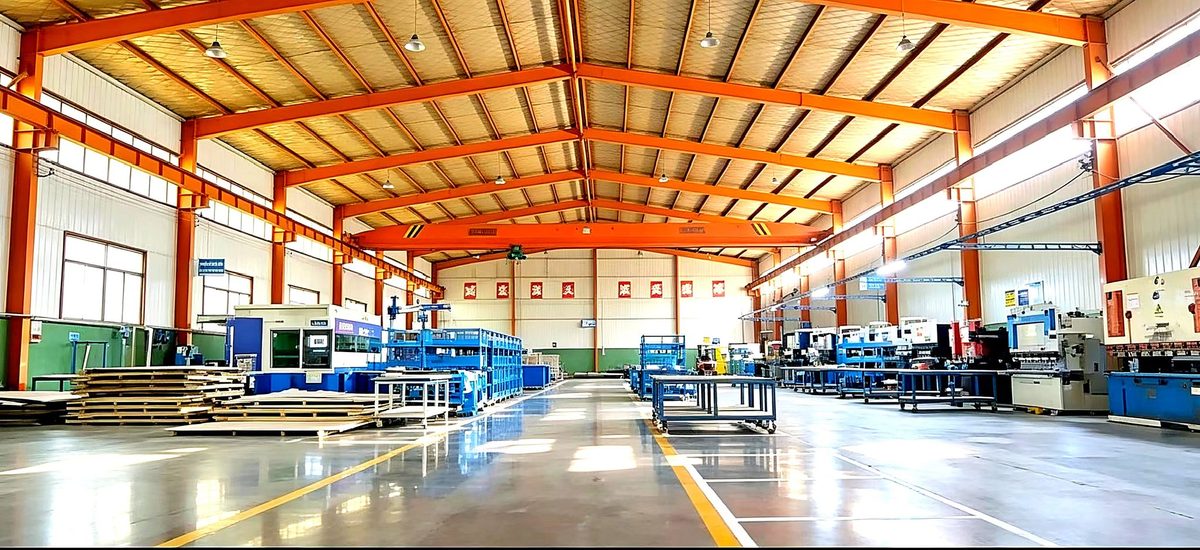
In precision sheet metal manufacturing, product quality depends not only on materials and equipment, but also on design, process planning, tolerances, surface finishing, and quality control.
For industrial enclosures, electrical cabinets, equipment housings, and precision sheet metal parts, a seemingly minor design issue can lead to fabrication difficulties, assembly problems, delayed delivery, and increased maintenance costs.
So which mistakes are most easily overlooked? In this article, we share five common problems and how to avoid them through proper design and process planning.
Mistake 1: Believing Tighter Tolerances Always Mean Better Quality
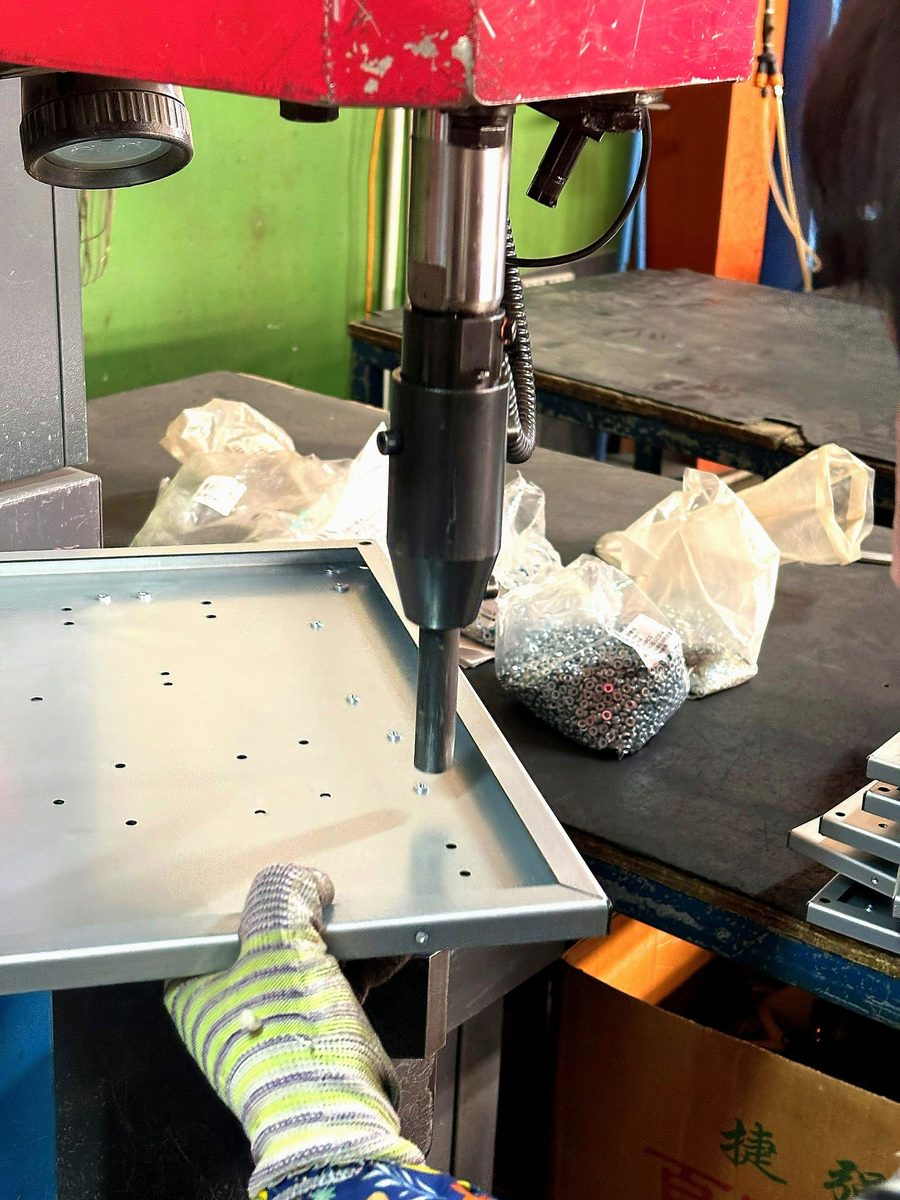
In sheet metal design, dimensional tolerances affect both manufacturing cost and assembly precision. Some customers believe that specifying very tight tolerances on all dimensions will result in higher quality products. In reality, overly strict tolerances may not add real value, but they can increase the difficulty of laser cutting, bending, inspection, and assembly.
For example, the outer panel of a cabinet and a precision mounting bracket have very different accuracy requirements. Applying the same tight tolerance to all dimensions can result in unnecessary machining and inspection costs.
Professional advice:
- Define appropriate tolerances based on function, assembly method, and operating environment.
- Focus on mounting holes, mating features, and critical positioning dimensions.
- Clearly mark critical dimensions and applicable tolerance standards on drawings.
- Evaluate dimension chains and cumulative assembly errors for complex bent parts.
Our philosophy: Precision is not about being as tight as possible — it is about making every critical dimension meet the actual functional requirements of the product.
Mistake 2: Only Focusing on Material Price, Ignoring Total Manufacturing Cost
Material cost is a major part of sheet metal product cost, but it is not the only factor that determines the final procurement cost. Different materials have different thicknesses, strength, corrosion resistance, and machining characteristics, which directly affect cutting efficiency, bending difficulty, welding methods, and surface treatment.
For example, choosing a cheaper material that is not suitable for the operating environment may result in insufficient corrosion resistance; blindly increasing sheet thickness may add weight, shipping cost, and machining expenses.
In addition, complex structural designs, too many parts, unreasonable bending geometry, and special surface treatment requirements can all increase overall manufacturing cost.
Professional advice:
- Choose carbon steel, stainless steel, or aluminum based on the operating environment.
- Evaluate material price, machining difficulty, service life, and maintenance cost together.
- Minimize unnecessary parts and complex structures.
- Optimize sheet thickness and material utilization while meeting strength and functional requirements.
A truly economical sheet metal solution is not simply choosing the cheapest material, but finding the right balance between product performance, manufacturing cost, and service life.
Mistake 3: Believing High Laser Cutting Accuracy Guarantees Final Assembly Accuracy
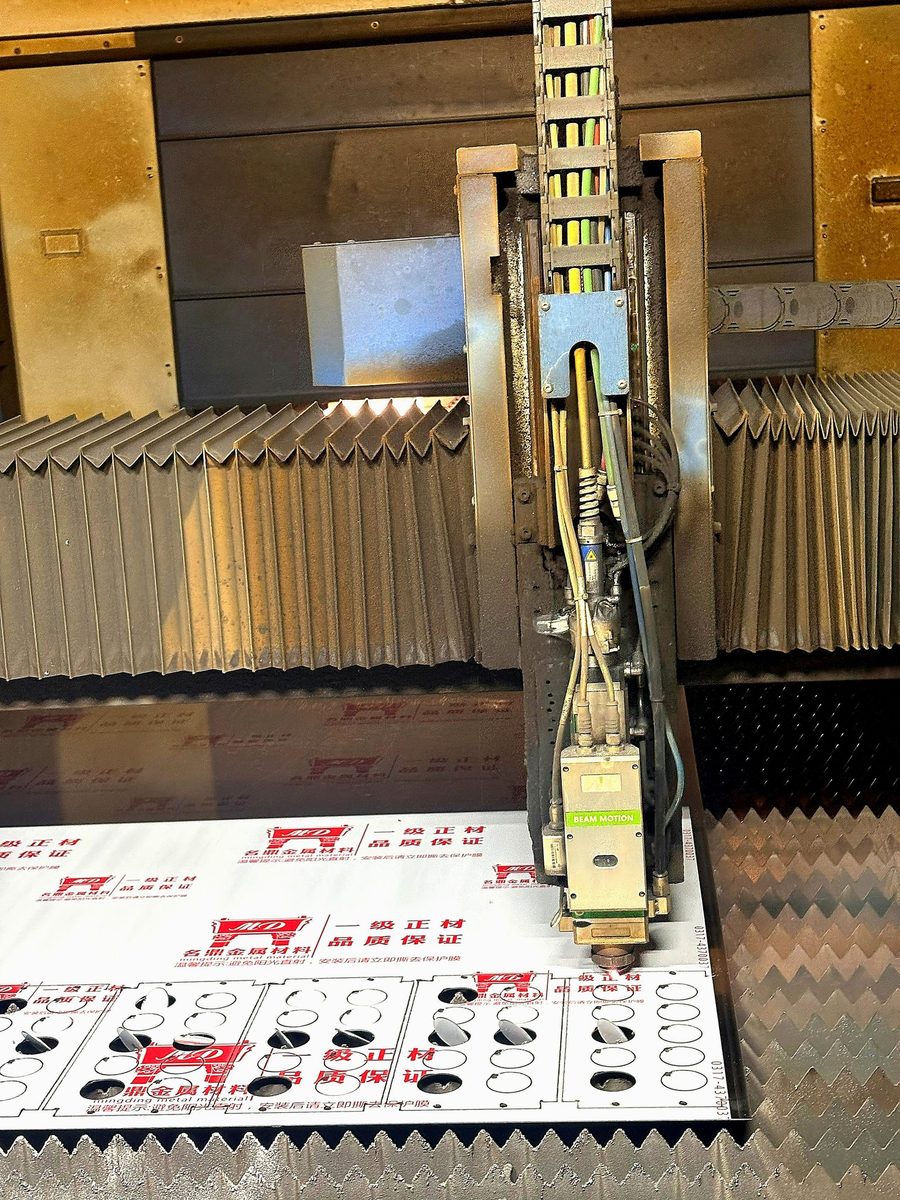
Laser cutting is an important process in precision sheet metal manufacturing, widely used for enclosures, equipment housings, and various sheet metal components. However, cutting accuracy does not equal the overall accuracy of the final product.
Sheet metal parts also go through bending, welding, grinding, and surface treatment. Each process can affect the part's dimensions, shape, and flatness. For example, a flat sheet after multiple bends will be affected by sheet thickness, material properties, bend angles, and die conditions. Heat from welding can also cause deformation.
Therefore, even if laser cutting dimensions are accurate, poor control of subsequent processes can still result in misaligned holes, uneven assembly gaps, or uneven door panels.
Professional advice:
- Consider bending sequence, process unfolding, and springback compensation in the design phase.
- Plan welding sequence and deformation control measures based on structural characteristics.
- Perform in-process inspection on critical holes, mounting surfaces, and assembly interfaces.
- Conduct trial assembly or first-article confirmation for important enclosure products.
Precision sheet metal manufacturing requires control throughout the entire process from cutting to assembly, not just the machining accuracy of a single machine.
Mistake 4: Ignoring the Impact of Bending, Welding, and Surface Treatment
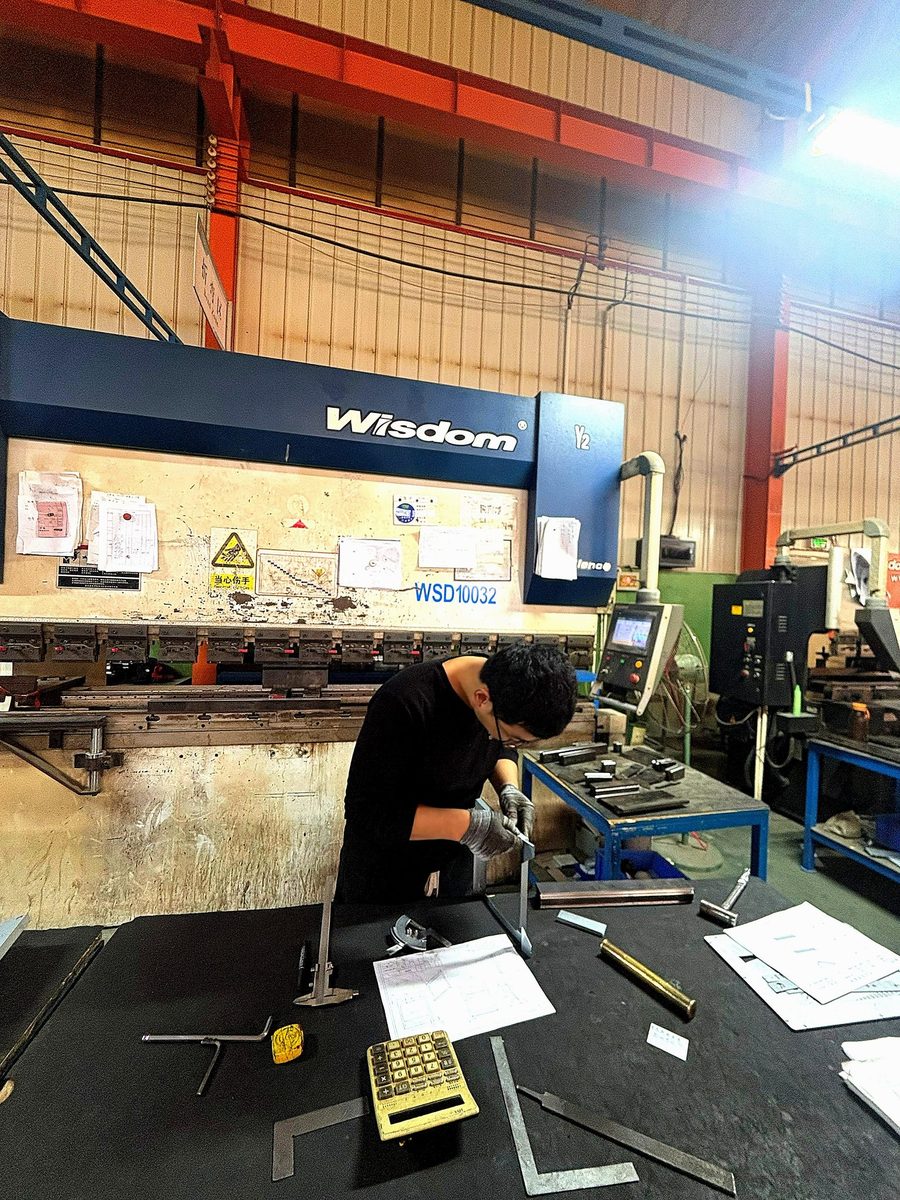
In sheet metal fabrication, drawings should not only define the final shape, but also consider manufacturability. If the design phase does not account for bending tools, minimum bend edges, and distance between holes and bend lines, actual machining may result in interference, deformation, or dimensional non-conformance.
For welded structures, weld location, welding sequence, and structural rigidity all affect final flatness and dimensional stability.
Surface treatment should not be overlooked either. Powder coating, painting, electroplating, and other processes need to be selected based on material, operating environment, appearance requirements, and applicable standards. Coatings can also affect mating clearances, grounding points, and threaded areas.
Professional advice:
- Perform Design for Manufacturability (DFM) evaluation in the design phase.
- Confirm bend radius, bend edge length, hole positions, and die accessibility.
- Plan welding and deformation control processes based on structure and appearance requirements.
- Specify surface treatment type, color, coating requirements, and masking requirements for critical areas.
- Define process requirements for grounding connections, threaded fits, and mating surfaces.
The earlier manufacturing processes are considered, the more opportunities there are to reduce rework and extra costs without sacrificing product performance.
Mistake 5: Thinking That Once Drawings Are Sent, No More Technical Communication Is Needed
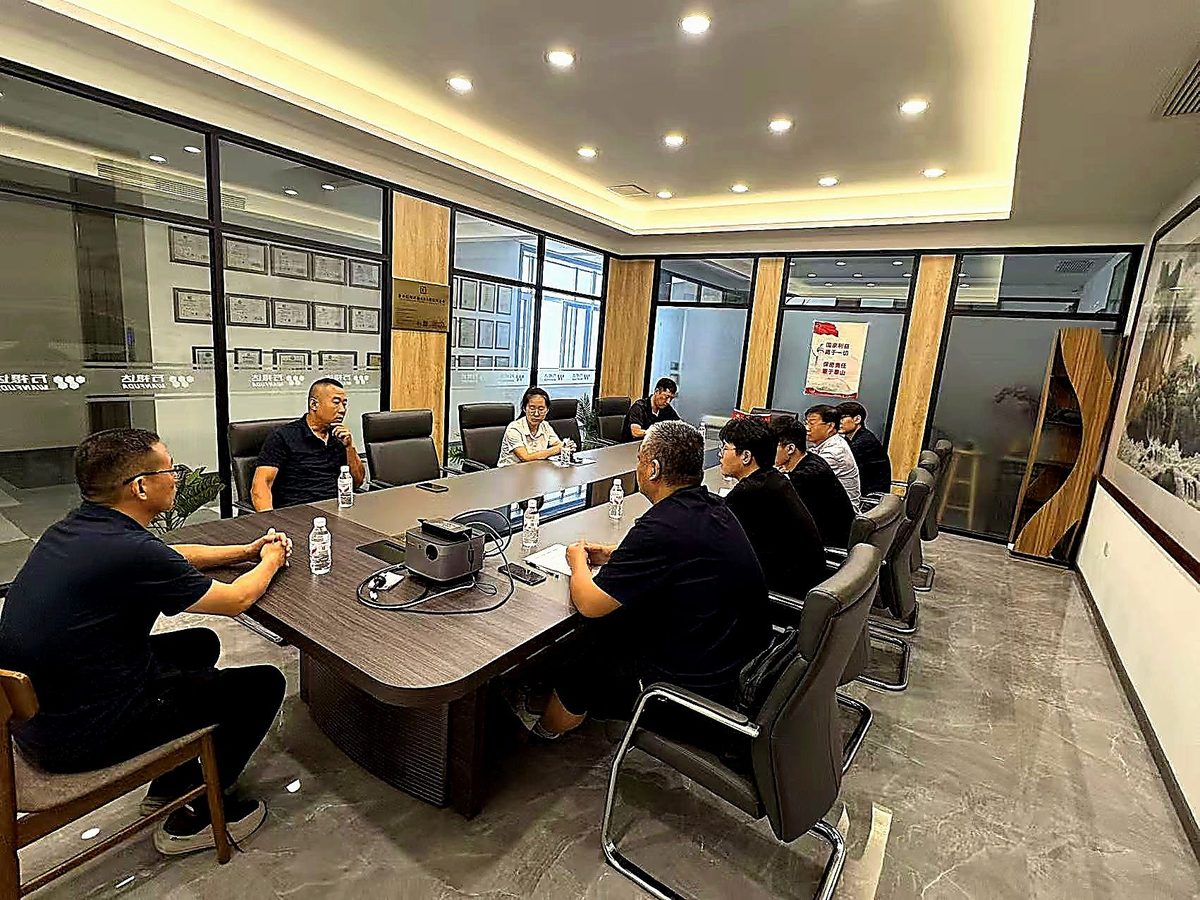
In custom sheet metal fabrication, customer drawings are an important basis for production, but whether a drawing can be successfully converted into a qualified product depends on complete technical requirements, reasonable manufacturing plans, and timely problem-solving between both parties.
Common communication issues in actual projects include:
- Drawings do not specify material grade or sheet thickness.
- Critical dimensions, tolerances, or surface treatment requirements are unclear.
- Assembly relationships, operating environment, or functional requirements are missing.
- Design changes are not synchronized to production in time.
- Samples, inspection standards, and packaging requirements are not confirmed in advance.
These issues can lead to repeated confirmations, reprogramming, part rework, or even entire batches that cannot be assembled smoothly.
Professional advice: Before mass production, we recommend confirming the following together:
- Drawings and technical requirements: Material, thickness, dimensions, tolerances, and special requirements.
- Manufacturing process: Cutting, bending, welding, surface treatment, and assembly plan.
- Quality standards: Critical dimensions, appearance requirements, inspection methods, and acceptance criteria.
- Sample confirmation: First-article or sample verification for complex structures or critical assemblies.
- Delivery requirements: Quantity, packaging, protection, labeling, and delivery schedule.
Good technical communication helps customers and manufacturers identify problems earlier, making product development, production, and delivery smoother.
Conclusion: Quality Sheet Metal Products Start with Good Design and End-to-End Process Control
Sheet metal manufacturing is not simply cutting, bending, and welding metal sheets. For industrial enclosures, precision equipment housings, and custom sheet metal parts, design rationality, process planning, quality control, and technical communication are equally important.
Avoiding these five common mistakes helps reduce unnecessary manufacturing costs, lower rework risk, and improve product consistency and assembly reliability.
Hebei Yiguangnian Electrical Equipment Co., Ltd. specializes in enclosure and precision sheet metal fabrication, supporting custom manufacturing based on customer drawings and technical requirements. We value the connection between product design and manufacturing processes, and are committed to providing sheet metal solutions that meet the needs of industrial equipment manufacturers.
If you are developing a new industrial enclosure, control cabinet, or precision sheet metal part, feel free to contact us to share your drawings and project requirements.
Contact Yiguangnian to discuss your next sheet metal project.
Contact Us